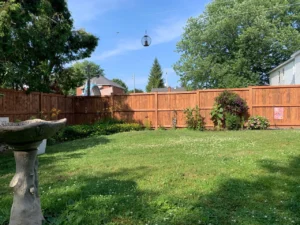

Choosing the right fence for your property is an important decision. It is about more than just marking boundaries; it also affects privacy, security, style, and even property value. According to a fencing industry statistic, the global fencing market is projected to grow at a compound annual growth rate (CAGR) of 5.5% from 2022 to 2030, reflecting rising demand for well-designed, durable fencing solutions.
Choosing between a horizontal and a vertical fence is one of the most important decisions homeowners face today. Although both styles have been around for years, they are quite different and serve different purposes.
This guide will explore everything you need to know about horizontal vs vertical fence options. We will compare them based on appearance, strength, cost, maintenance, and installation. By the end, you will clearly understand which type of fence is suitable for your home or business.
Understanding the Basics of Fence Orientation
It is useful to know what the difference is before comparing them. A vertical fence has boards running directly up and down. It is the most common type of fence. In horizontal fences, boards are cut left to right through the frame of the fence. This is the newer style that has gained popularity in modern home designs.
By searching for the term “horizontal fence vs vertical,” people are most likely attempting to determine whether they want a traditional appearance or a modern one. Both options are effective in the right environment, but the decision depends on your objectives, property layout, and budget.
Visual Appeal and Design Style
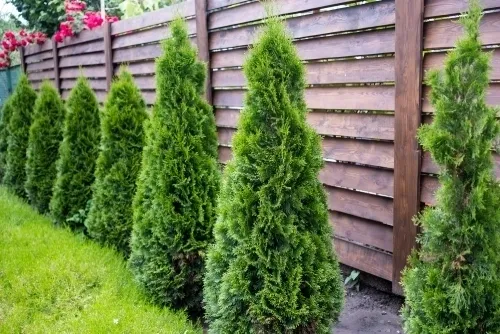
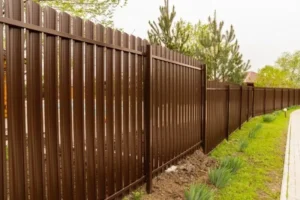
Appearance is one of the greatest differences between a horizontal fence and a vertical fence. Vertical fences are eternal in their look. They suit very well with older houses, farmhouses, cottages, and conventional neighbourhoods. This style blends in and is not too noticeable.
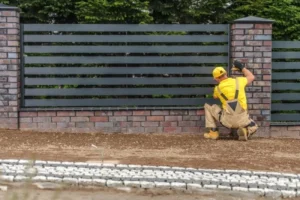
In contrast, a horizontal fence has a bold and modern appearance. New developments and custom homes are often viewed as having it. This is a favourite among many, as it makes yards look beautiful and modernized. One reason homeowners love a contemporary horizontal fence is that it makes a small yard look larger and more open.
Horizontal fence designs are numerous today. Some are made with narrow boards to achieve a sleek appearance, while others use wide planks to create a firm, bold look. Horizontal wood fence designs are particularly popular because they are both natural and modern. A horizontal fence tends to be more decorative and purposeful compared to a vertical fence.
Privacy and Security Considerations
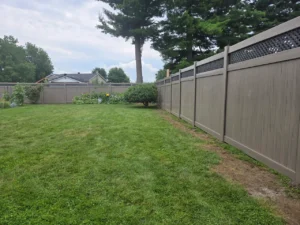
One of the main reasons people install fences is for privacy. Vertical fences have long been trusted because they provide good coverage when the boards are fitted closely. They are effective as a privacy barrier in the backyard and help contain pets.
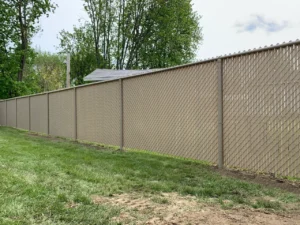
Horizontal fence styles can also provide good privacy, depending on the spacing and design. Horizontal fencing can be as private as vertical fencing when properly constructed. Some homeowners believe that horizontal fencing appears firmer and neater.
Another consideration in the horizontal fence vs vertical fence debate is security. Vertical fences can be quite difficult to climb as the boards are not easily stepped on. Horizontal fences can also be a little less difficult to climb when the rails are not covered, yet this can be addressed by smart design decisions. A horizontal fence can be secure and appealing with proper planning.
Strength and Durability Over Time
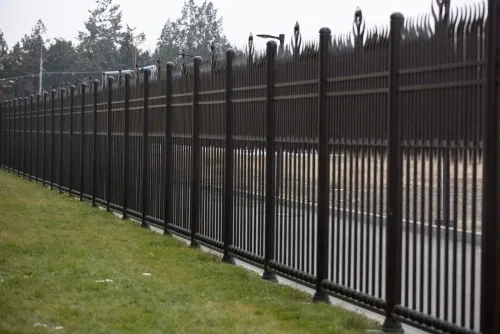
Selecting between horizontal and vertical fences depends on durability requirements. Vertical fences have the advantage of compression of movements on the ground, since gravity supports each board. When one board warps or shrinks, it can be replaced without dismantling the entire fence.
Building a horizontal fence is a more planned project. Horizontal boards span longer distances, which can cause sagging over time if they are not well supported. This implies the posts will need to be spaced more closely together. Horizontal fencing can last as long as vertical fencing when installed correctly, but when installed poorly, it may cause problems.
The weather also plays a role. Wood expands and contracts in regions where there is extreme rainfall, intense sunlight, or fluctuation of temperature. Horizontal fencing is more susceptible to these changes; therefore, using high-quality materials and professional installation is critical.
Installation Process and Complexity
The installation methods differ significantly between horizontal and vertical fencing. Vertical fencing is also easier and quicker to install. This is among the reasons it has been the standard for so long. A vertical fence can be installed in a short time and in an efficient manner by a large number of contractors.
Horizontal fencing takes longer and requires more expertise. The spacing should be accurate, and the posts must be in line. The boards must be measured to ensure a straight and level appearance. Due to this reason, horizontal fencing is generally more expensive in terms of labour.
Nevertheless, most homeowners believe that the extra work is worth it. A strong horizontal fence is noticeable and can bring out a personal touch to your estate. Selecting an experienced contractor is important when installing horizontal fence systems.
Cost Differences Between Fence Styles
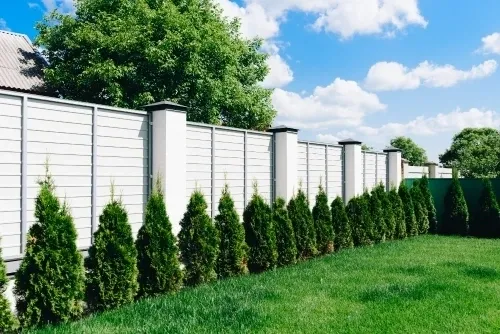
Cost is usually a key factor when comparing horizontal and vertical fences. Vertical fences are typically more affordable. They do not consume as much material or labour, thus keeping the total costs low.
Horizontal fencing is more costly. It may require more wood, heavier posts, and additional framing. The required precision also increases labour costs. Nevertheless, horizontal fencing is an investment for many homeowners. The contemporary appearance offers many benefits, enhancing curb appeal and even increasing the property’s value.
It should be considered when evaluating long-term pricing, not just the initial price. A properly maintained fence of either kind can be in service for many years.
Maintenance and Long-Term Care
Another difference between horizontal and vertical fence styles is maintenance. Vertical fences are easier to maintain. When a board is damaged, it is typically replaced quickly without disturbing the other boards.
Horizontal fencing needs some more consideration. Due to the longer length of the boards, the warping or bowing can influence the general appearance. To ensure the fence remains straight and strong, routine inspections and sealing are recommended.
Wood choice also matters. Both styles use cedar and treated wood because they resist rot and insect damage. Regardless of the style you choose, regular cleaning and sealing will extend your fence’s lifespan.
Matching Fence Style to Your Property
The decision to use a horizontal or vertical fence should also take into consideration the architecture of your home. Vertical fencing is typically the most preferred in traditional homes. It is natural and appropriate for the environment.
Horizontal fencing goes well with modern homes and minimalistic designs. A contemporary horizontal fence adds clean lines and open spaces. It can transform outdoor spaces into an extension of the home’s interior design.
A combination of horizontal and vertical fence elements is even used in some properties. Such a creative solution can provide interest and resolve certain layout issues. An expert contractor might aid in creating a fence that fits in your area perfectly.
Pros and Cons of Horizontal Fencing
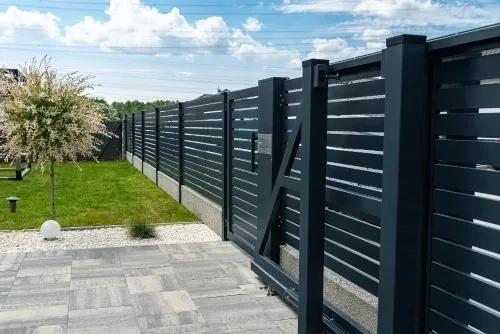
It is easier to make a decision when you understand the pros and cons of horizontal fences. Appearance is one of the greatest benefits. Horizontal fencing appears contemporary, elegant, and distinctive. It can make small spaces seem larger and offers high visual appeal.
The disadvantages of horizontal fencing include higher costs and the need for professional installation. It may also require additional maintenance over time unless constructed properly. These points must be considered before adopting this style.
Vertical fencing has its advantages as well. It is cost-effective, resilient and simple to install. Although it might not be as cool, it is a safe and convenient alternative for most homeowners.
Making the Final Choice
When choosing between horizontal and vertical fence types, there is no correct answer. This is because the most appropriate option depends on your budget, design aspirations, privacy needs, and future projections.
Vertical fencing can be the perfect solution if you need a classic, cost-effective fence that is simple to maintain. Horizontal fencing may be a worthwhile addition, particularly when you need a contemporary look that enhances the design’s value.
Taking time to compare horizontal fences and vertical fences will save you from regrets and ensure your fence serves you well for several years.
Conclusion
Selecting the appropriate fence type is essential, and understanding the differences between horizontal and vertical fences significantly simplifies the choice. Both of them are good, and the right choice depends on your property, style, and budget. The choice between a horizontal fence for a modern look and a vertical fence for a traditional touch depends on professional advice.
Guardian Fencing can assist you in the installation of a new fence or provide guidance on horizontal fence installation or vertical fencing. Our expert team can assist you with design, materials, and installation so that you may have a fence that suits your home perfectly. Contact us today to discuss your project and get started on a fence you will enjoy for years to come.